Comedian Tim Young told Fox News Digital that Shane Gillis "won" and cancel culture "lost" after the backlash over Gillis' jokes about women's gym attire. According to Fox News, Young argues the outrage reflects a broader effort to police comedy, and that apologizing only emboldens critics. Gillis, in Young's telling, didn't apologize, and the outrage failed to derail him.
That's the news. Here's the take: the more interesting question isn't whether the joke was funny. It's what happens when outrage becomes a line item in the comedy economy.
What Young is actually claiming
Per Fox News, Young frames the controversy as another clash over the boundaries of comedy. His argument has two parts:
- Not apologizing is how Gillis "won."
- Cancel culture "lost" because the backlash didn't stop him.
Those are Young's claims, not established facts. The source material doesn't detail the specific jokes, the size of the backlash, or how Gillis himself responded beyond the reported lack of an apology. So this piece sticks to the framing Young offered and the larger pattern it points to.
The no-apology playbook
It's hard not to notice that refusing to apologize has become something close to a brand strategy for stand-ups. Young's warning that apologizing emboldens critics is the logic behind it: if every apology is treated as a blood-in-the-water moment, silence or defiance starts to look like the safer career move.
That's our read, not a reported fact, and it cuts both ways. Defiance reads as authenticity to fans who already trust a comedian to say the uncomfortable thing. To critics, the same defiance reads as dodging accountability. The same non-apology can be a victory lap or a shrug depending on who's watching, which is exactly why this keeps turning into a culture-war flashpoint.
Is backlash now part of the act?
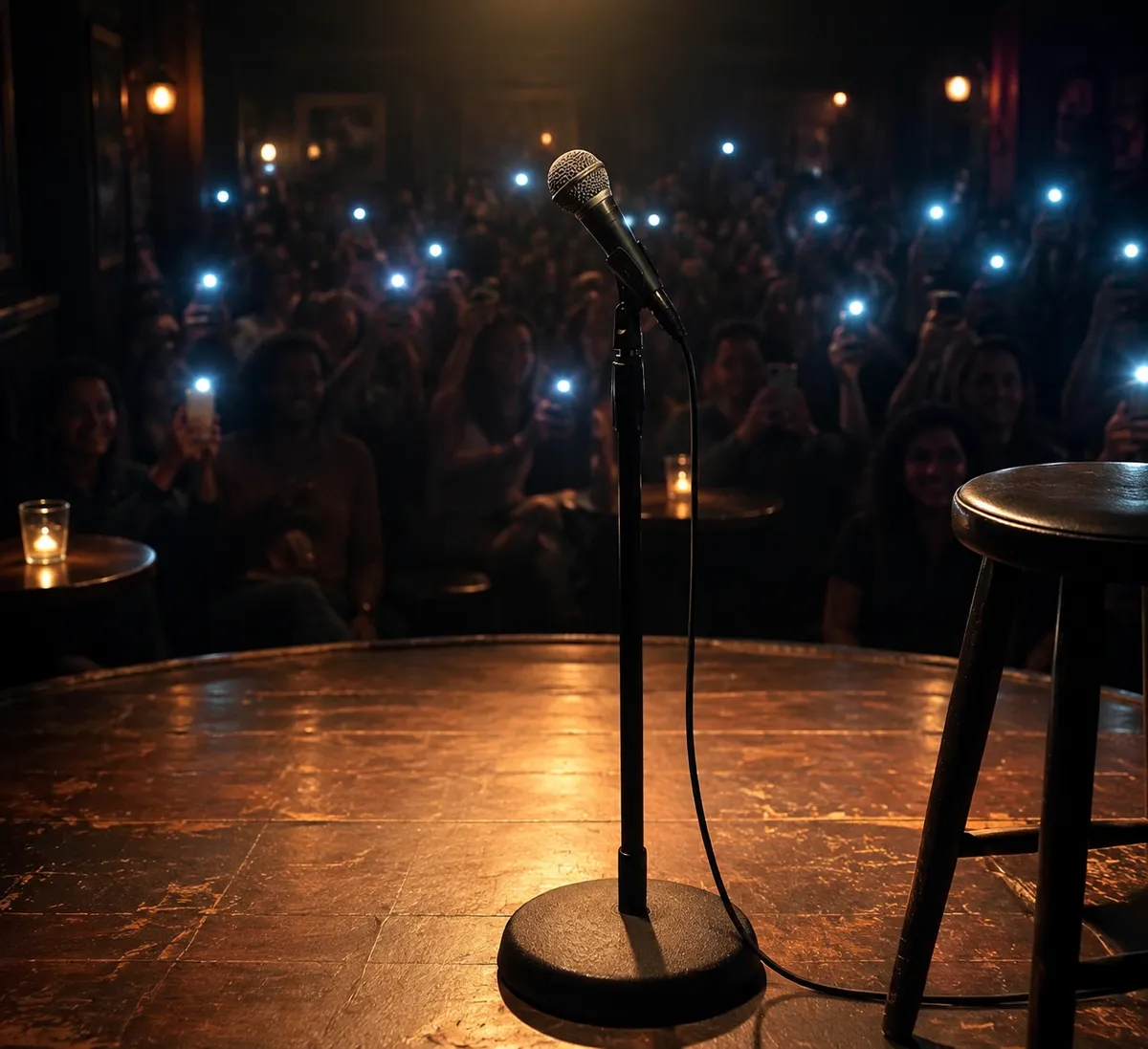
Here's the angle worth chewing on. Comedy has always had a complicated relationship with outrage, and social media has put it on a loop: a joke circulates, people react, commentators weigh in, and the comedian's name travels further than the set ever would have. Whether that amounts to a reward is a fair question to ask, though nothing in the reporting shows Gillis profiting from this particular episode.
Young's "won" and "lost" language is scoreboard talk, and it's worth being skeptical of scoreboards. Declaring cancel culture dead after every failed pile-on is its own genre of content. The outrage cycle and the victory-lap cycle feed on each other, and both do fine whether or not anyone's mind changes.
Critique versus policing
There's a real distinction that gets flattened in these fights. Audiences criticizing a joke is just audiences doing what audiences do: laughing, groaning, tweeting. Young's complaint, as reported, is about something bigger, an effort to police what comedy can be. Those two things can look identical from the outside, and the argument usually lives in the gap between them.
If a joke lands badly, saying so is free speech working as designed. If the goal is to make sure certain jokes never get told, that's a different project. Young clearly sees the Gillis backlash as the second kind. Others may see the first. The reporting here only carries his side.
Why it keeps coming back
Per the framing around the story, comedy remains a flashpoint in debates over speech, offense, and public accountability, and creators are anxious about whether edgy material can survive a social media pile-on. Gillis makes a handy case study for that anxiety, since Young presents him as someone who weathered the storm and came out fine.
But one comedian saying his friend is fine is not a verdict on the whole system. The sharper takeaway is that the fight over a gym-attire joke has already outgrown the joke. Everyone's arguing about the rules of the room, and the room keeps getting bigger. The punchline may be that nobody can agree on who's the audience and who's the act.