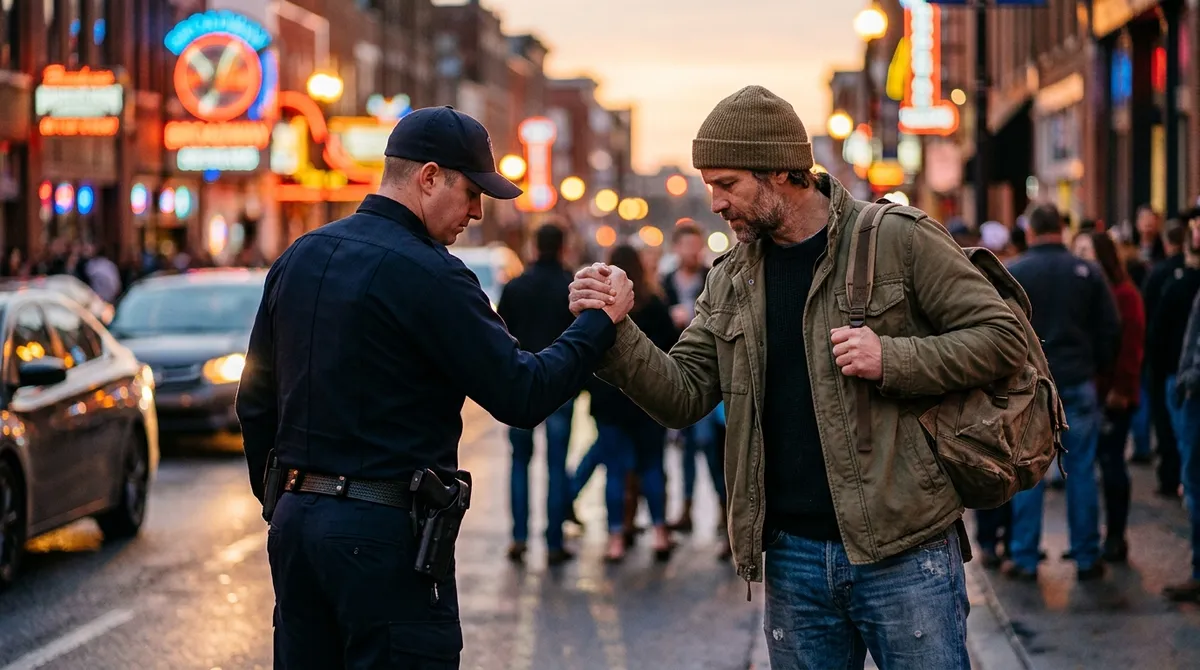
In a shocking turn of events, Lindsay Clancy’s lawyer recently came out swinging against conspiracy theories claiming that her ex-husband, Patrick Clancy, had any involvement in the tragic deaths of their children. This statement isn't just a defense of Patrick's character; it underlines the real-world harm caused by rampant online speculation, a menace that has become all too familiar in the age of virality.
The Burden of Accusation
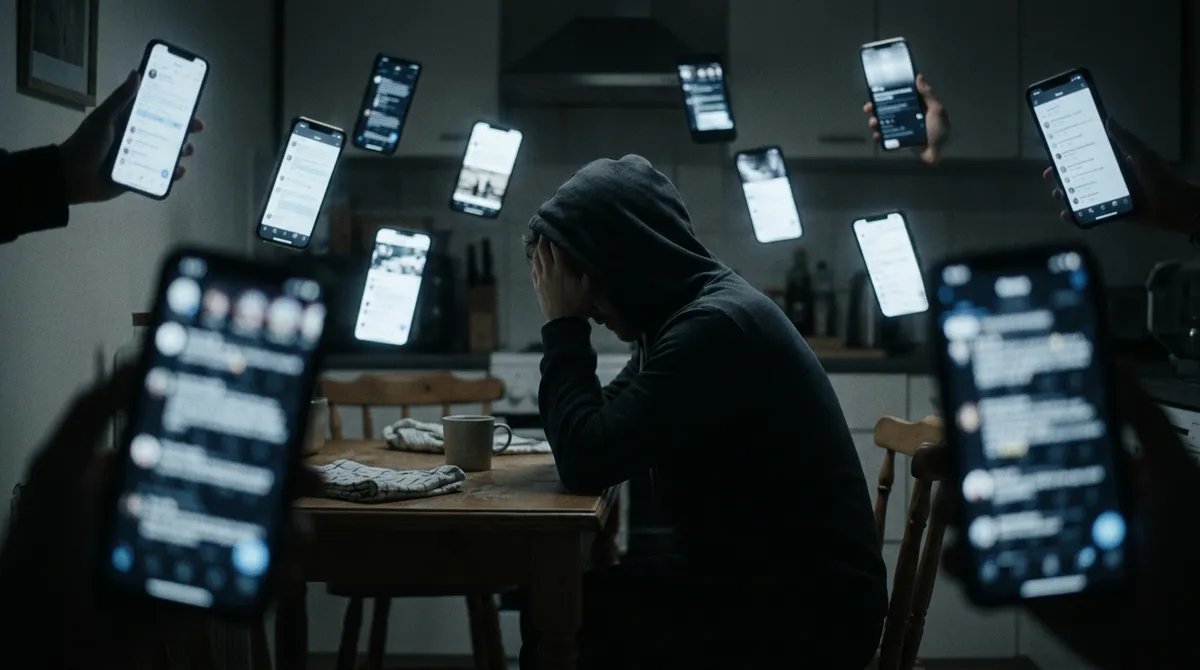
The lawyer's remarks come amidst increasing reports that Patrick is facing relentless harassment stemming from these baseless online allegations. Imagine navigating such a devastating personal tragedy only to be met with a flood of accusations from virtual strangers sensationalizing your grief for clicks and likes. It's heartbreaking — and frankly, infuriating.
As the digital age thrives on news cycles measured in minutes rather than days, true-crime enthusiasts seem to forget the humans behind the headlines. When theories bloom without a shred of evidence, it morphs into a poison dart aimed at those already reeling from unspeakable loss.
Misinformation Meets Vulnerability
The incident not only highlights the dangers of internet sleuthing but also raises an alarming question: how far is too far in the pursuit of truth? Clancy’s case has turned into a cautionary tale about the perils lurking behind the excitement of online speculation.
Rather than a simple tale of murder and mystery, we are faced with ethical dilemmas; what happens when the pursuit of justice turns into a witch hunt? As digital detectives, it’s easy to forget that these stories involve real lives, real emotions, and real suffering.
The Ethics of Online Discussions
This situation opens the door for a wider conversation on the responsibilities of creators and content producers in the true-crime genre. Many fans engage in this form of entertainment, but misguidance can spiral out of control, leading to scenarios where innocent people are targeted by conspiracy theories that flourish in the wild, wild west of the internet.
As creators gear up to produce content around cases like Clancy’s, they should prioritize compassion and respect while also holding themselves accountable for the narratives they choose to amplify. In a world where information spreads like wildfire, a cautionary approach is no longer an option—it’s a responsibility.
A Call for Good Vibes in Tragedy
As the discourse surrounding Lindsay and Patrick Clancy continues, let’s remember the human cost of these viral conspiracies. More than just a story on your feed, this is a devastating reality for the people involved. Misinformation can turn into harassment, transforming the pain of grief into a public spectacle steeped in ridicule.
So, as you scroll through your feeds and indulge in the latest true-crime narratives, take a moment to consider the humanity behind those headlines. Before jumping to conclusions or spreading unverified rumors, let’s collectively promote understanding and sensitivity. After all, while it’s tempting to dive into the drama, we should always aim for empathy and good vibes.
In the end, we can all do our part to ensure that the lines between entertainment and ethical responsibility are never obscured. As for the Clancy family, it might just take a conscious effort from us all to let them focus on healing without the burden of conspiracy theories lobbing relentless stress their way.