
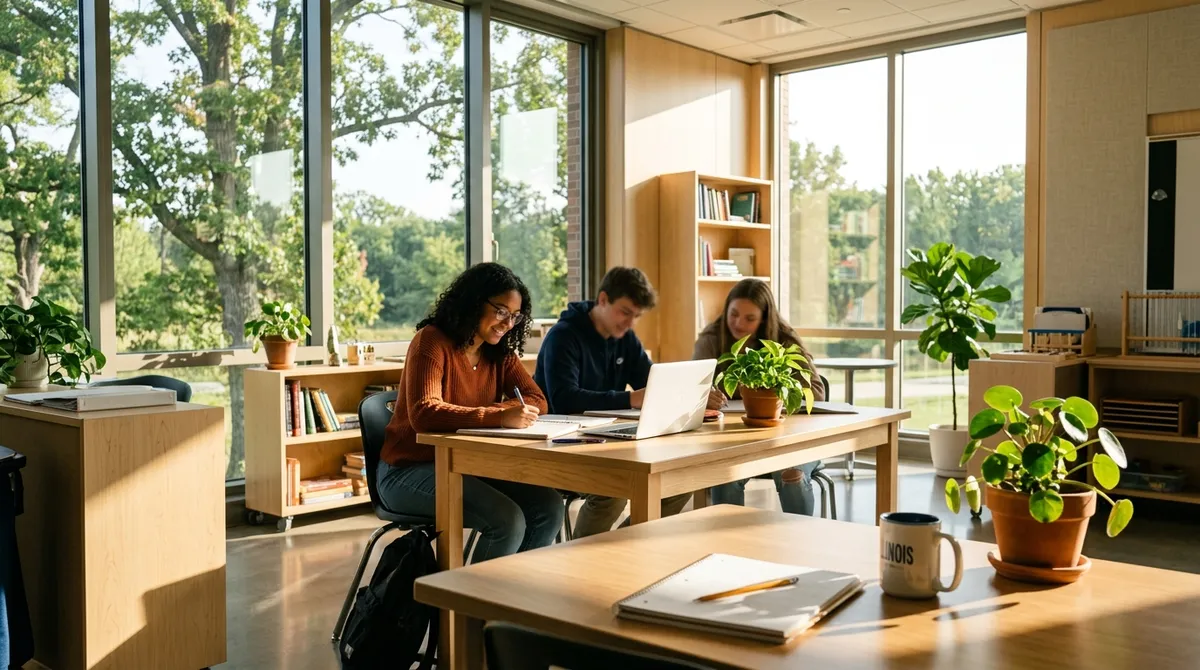
In the vibrant community of Illinois, a groundbreaking initiative has transformed educational environments, demonstrating the powerful impact of natural light on student well-being and academic performance. This innovative project involved the strategic installation of windows in schools, turning classrooms into brighter, more inviting spaces that nurture both learning and mental health.
The Importance of Natural Light in Education
Natural light plays a crucial role in enhancing the learning environment. Numerous studies have shown that exposure to daylight can significantly improve mood, energy levels, and overall cognitive function. By integrating windows into the architectural design of schools, educators are tapping into these benefits, aiming to improve student engagement and achievement.
Enhancing Student Well-being
One of the primary benefits of increased natural light is its positive impact on student mental health. Exposure to daylight has been linked to reduced stress levels and improved mood, which are essential for creating a supportive learning atmosphere. In Illinois, schools have reported noticeable improvements in student behavior and emotional well-being after the addition of windows, fostering a more positive and productive educational experience.
Boosting Academic Performance
Beyond mental health, natural light significantly influences academic outcomes. Classrooms filled with daylight have been associated with higher test scores and improved concentration. The introduction of windows in Illinois schools has coincided with a marked increase in student performance, demonstrating the correlation between environment and learning success.
Design Considerations for Optimal Impact
When planning the installation of windows, it's essential to consider factors such as window placement, size, and glazing options to maximize benefits. Proper design ensures that students receive adequate daylight without glare or excessive heat, creating a comfortable and effective learning setting.
Community and Environmental Benefits
Adding windows to schools not only benefits students but also supports broader community and environmental goals. Increased natural light reduces dependence on artificial lighting, leading to energy savings and a smaller carbon footprint. This environmentally friendly approach aligns with sustainable development goals and demonstrates a commitment to responsible school management.
Challenges and Solutions
While the advantages of adding windows are clear, challenges such as budget constraints and structural limitations can arise. However, innovative solutions and community support can overcome these hurdles. Grant programs and partnerships with local businesses have provided necessary funding and resources, ensuring that all students can benefit from enhanced learning environments.
The Future of Educational Design
The success of this initiative in Illinois is inspiring other regions to reconsider their educational environments. By prioritizing natural light in the design and renovation of schools, educators can create spaces that promote well-being, inspire learning, and contribute to long-term academic success. As more schools adopt these practices, the potential for positive change in education is limitless.
In conclusion, the addition of windows to Illinois schools serves as a powerful reminder of the impact of physical environments on education. By embracing natural light, schools are not only enhancing academic performance but also fostering a nurturing and sustainable atmosphere for current and future generations.