
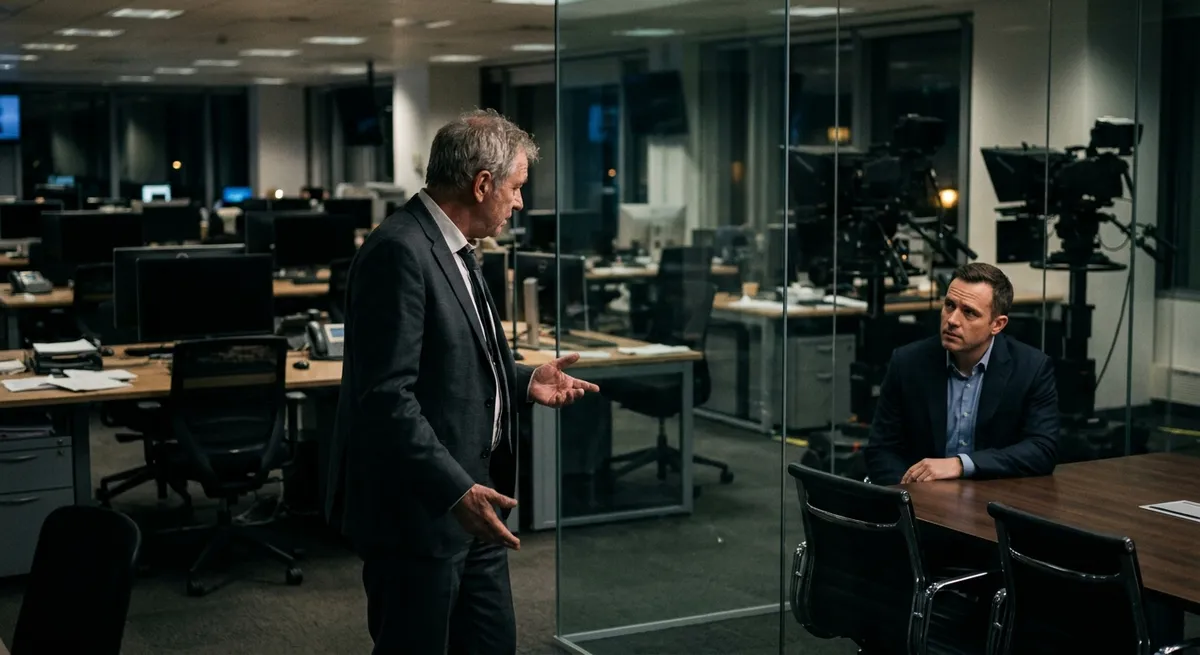
Veteran Journalist Launches Public Attack
Scott Pelley, a veteran correspondent for the iconic news program 60 Minutes, has made headlines with explosive accusations against CBS News leadership. According to reports, Pelley publicly accused editor-in-chief Bari Weiss of "murdering" the legendary broadcast, claiming she was brought in specifically to dismantle the program.
The veteran journalist's outburst represents more than just workplace drama—it signals escalating internal tensions over the show's editorial direction and recent organizational changes that have rocked the newsroom.
Questions About Leadership Qualifications
Pelley's criticism extends beyond editorial disagreements to fundamental questions about leadership credentials. According to reports, he claims Weiss lacks the necessary qualifications for her influential role at CBS News. This accusation strikes at the heart of ongoing debates within legacy media about who should lead traditional news organizations in an increasingly digital landscape.
The public nature of Pelley's statements reflects what appears to be visible staff rebellion against current management decisions, suggesting deeper fractures in how the organization is evolving under new leadership.
Staff Layoffs Fuel Growing Tensions
The controversy comes amid recent staff layoffs that have reportedly intensified workplace tensions. These cuts, occurring alongside leadership changes, have created a volatile environment where long-standing journalists are questioning the direction of their institution.
Legacy media institutions like CBS are facing intense pressure to modernize operations and reduce costs, making leadership changes at flagship programs like 60 Minutes particularly sensitive flashpoints for broader industry debates.
The Modernization Dilemma
Weiss's appointment and subsequent decisions have sparked what reports describe as visible staff rebellion, highlighting fundamental questions about the future of broadcast journalism. The situation represents a classic clash between traditional journalism values and new media strategies.
This tension reflects broader industry challenges as news organizations struggle to balance journalistic integrity with business necessity. The question facing many legacy institutions is whether meaningful change requires sacrificing established editorial standards, or whether resistance to change itself becomes the primary obstacle.
Generational and Institutional Divide
The conflict between Pelley and Weiss appears to embody a generational divide that's reshaping newsrooms across the industry. Veteran journalists trained in traditional broadcast methods are finding themselves at odds with digital-native leadership approaches that prioritize different metrics and audience engagement strategies.
According to reports, this divide has created internal dissent that serves as a sign of institutional crisis, raising questions about when staff revolts become significant enough to influence organizational direction.
Impact on 60 Minutes Legacy
The 60 Minutes program has maintained its reputation as a cornerstone of investigative journalism for decades. The current internal turmoil raises questions about whether the show can survive modernization efforts without losing the identity that made it an institution.
The public nature of these accusations suggests that internal diplomatic channels have broken down, potentially indicating deeper organizational problems that extend beyond normal workplace disagreements.
Looking Forward
The situation at CBS News reflects broader challenges facing legacy media organizations as they navigate changing audience expectations and economic pressures. Whether this controversy represents necessary growing pains or fundamental institutional breakdown remains to be seen.
The outcome of this conflict may serve as a bellwether for how other traditional news organizations handle similar transitions between old-guard journalism and new media realities.