
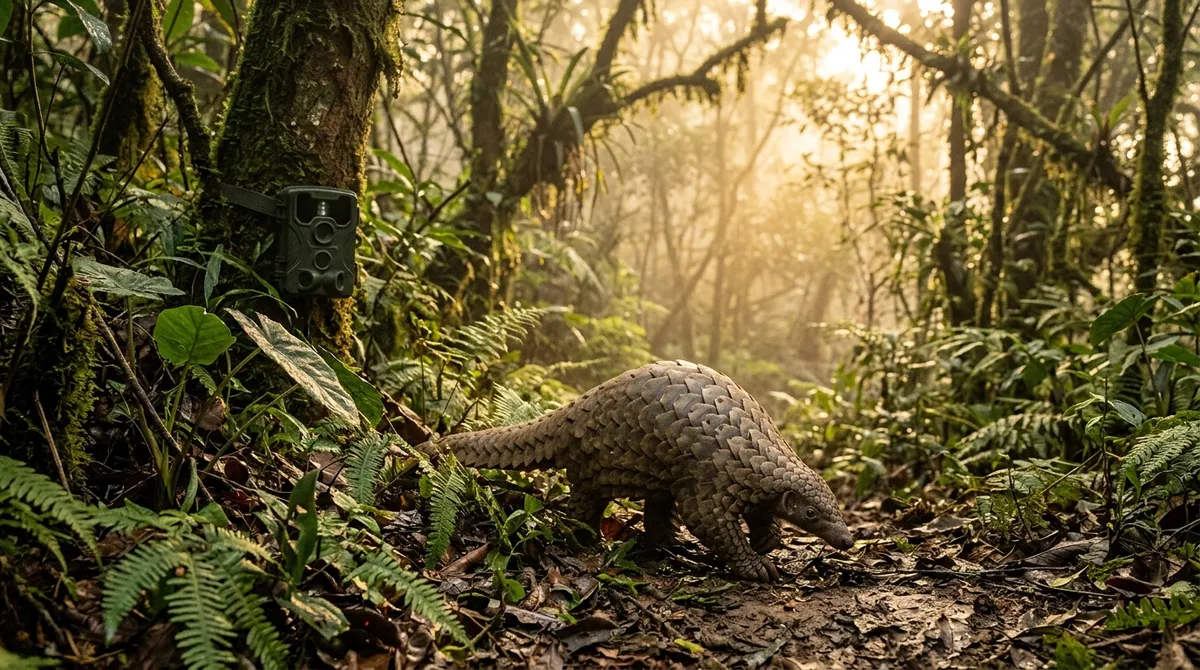
Chinese pangolins are showing encouraging signs of recovery in southern China, offering rare optimism for one of the world's most trafficked mammals. New field evidence suggests wild populations are increasing in key habitats for the first time this century, supported by stronger protection, improved monitoring, and growing public awareness.
A hopeful turn for a critically endangered species
The Chinese pangolin has spent decades under severe pressure. Demand for its scales, meat, and body parts pushed the species into a dangerous decline across Asia. Habitat loss added another challenge, shrinking the forests and grasslands where pangolins dig burrows and hunt for ants and termites.
For conservationists, any sign of population growth matters. Pangolins reproduce slowly, and females usually raise only one young at a time. That means recovery can take many years, even after hunting stops. A steady upward trend in the wild is therefore a major conservation milestone.
Recent observations in southern China now point to that kind of progress. Researchers and wildlife officials have reported more sightings, more active burrows, and stronger camera-trap evidence in protected landscapes. These indicators suggest that Chinese pangolins are not only surviving but beginning to rebuild local populations.
Why southern China matters for pangolin recovery
Southern China contains some of the most important remaining habitat for the Chinese pangolin. The region includes subtropical forests, hilly terrain, and soil conditions suitable for burrow building. These landscapes can support pangolins when food is abundant and human disturbance stays low.
The species depends on healthy insect populations. Ants and termites form the core of its diet. By feeding on these insects, pangolins also help regulate ecosystem balance. Their digging behavior aerates soil and creates shelter opportunities for other small animals.
Because pangolins are nocturnal and secretive, they are hard to count. They move quietly, spend much of the day underground, and avoid people. This makes camera traps, burrow surveys, and careful field tracking essential for understanding their status.
Stronger laws helped lower hunting pressure
China has taken several steps that improved the outlook for pangolins. The country increased legal protection for native pangolin species and tightened restrictions on trade. Authorities also removed pangolin scales from official traditional medicine listings, reducing legal pathways for commercial use.
These policy changes did not solve every problem overnight. Illegal wildlife trade remains a serious global threat. However, stronger enforcement makes poaching riskier and less profitable. It also gives local governments clearer authority to act against trafficking networks.
Conservation success often begins when pressure eases. When hunting decreases, pangolins get the chance to breed, expand, and reclaim safe habitat. The recent growth signals from southern China show how quickly nature can respond when protection becomes meaningful.
Better monitoring is revealing hidden wildlife
One reason the news is so important is that pangolins are difficult to study. In the past, scientists often had limited evidence of how many animals remained. Many areas lacked long-term monitoring, and pangolin activity could go unnoticed for years.
Today, infrared cameras and improved survey methods are changing that. Camera traps can document animals at night without disturbing them. Researchers can also identify active burrows, feeding signs, tracks, and soil disturbances linked to pangolin movement.
These tools help conservation teams detect trends instead of relying on isolated sightings. When cameras record pangolins repeatedly across different locations, scientists gain stronger evidence of a living, breeding population. That kind of data is vital for planning future protection.
What camera traps can show
Camera traps can capture pangolins walking, foraging, entering burrows, or moving through forest corridors. They can also record young animals, which may indicate recent reproduction. Over time, repeated images can reveal seasonal movement patterns and preferred habitat types.
For a shy species, this is especially valuable. Pangolins rarely announce their presence. Technology allows humans to observe them without creating stress or disrupting natural behavior.
Habitat protection remains critical
Legal protection alone cannot restore a species if its habitat disappears. Chinese pangolins need connected areas where they can forage, dig, mate, and raise offspring. Fragmented forests make it harder for animals to find food and breeding partners.
Southern China's conservation areas, forest restoration projects, and local patrol systems all play an important role. Protected reserves can provide safe core habitats. Wildlife corridors can help pangolins move between suitable areas without crossing busy roads or developed zones.
Healthy habitat also supports the insects pangolins eat. Pesticide use, soil degradation, and heavy land disturbance can reduce food availability. Conservation planning must therefore look beyond the animal itself and protect the wider ecosystem.
Community awareness is changing attitudes
Public education has become an important part of pangolin conservation. Many people now recognize pangolins as rare wildlife rather than commodities. This shift helps reduce demand and encourages residents to report illegal activity or injured animals.
Local communities often become the first line of defense. Farmers, forest workers, and residents near reserves may notice burrows, tracks, or suspicious trapping. When they understand the species' value, they are more likely to support protection efforts.
Community involvement also helps reduce conflict. Pangolins do not threaten crops or livestock, and they can benefit people by feeding on insects. Sharing this information builds support for keeping them alive in the landscape.
Rescue and rehabilitation can support wild populations
Wildlife rescue centers also contribute to pangolin conservation. Animals confiscated from traffickers may need medical care, nutrition, and quiet recovery. Once healthy, suitable individuals may be released into protected habitat under expert supervision.
Rehabilitation is challenging because pangolins have specialized diets and stress easily in captivity. Successful care requires trained staff, proper enclosures, and careful release planning. Even when only some rescued pangolins return to the wild, those individuals can strengthen small populations.
However, conservationists generally agree that rescue work cannot replace habitat protection. The best outcome is preventing pangolins from being captured in the first place. Enforcement, education, and habitat security remain the strongest long-term tools.
Why pangolin recovery is a global conservation signal
The Chinese pangolin's improvement in southern China has meaning beyond one species. Pangolins are among the most heavily trafficked mammals on Earth. All eight pangolin species face pressure from illegal trade, and several are threatened with extinction.
Progress in one region shows that determined action can work. When governments strengthen laws, scientists improve monitoring, and communities support wildlife protection, even highly endangered animals can begin to rebound.
This does not mean the crisis is over. Pangolins still need sustained protection, long-term research, and international cooperation against smuggling. Their slow reproduction makes them vulnerable to any renewed hunting pressure.
Still, the recent signs from southern China deserve attention. Conservation often brings slow results, and success can be hard to see. For the Chinese pangolin, the evidence now points in a promising direction.
What comes next for Chinese pangolin conservation
The next challenge is to maintain momentum. Researchers will need continued field surveys to measure whether population growth continues. Conservation managers can use that information to identify priority habitats and reduce risks along movement routes.
Authorities can also strengthen cooperation between provinces, customs agencies, and wildlife crime units. Illegal trade networks often cross borders, so enforcement must remain coordinated. Public reporting systems can help officials respond faster to poaching and trafficking.
At the same time, restoration work should focus on connected habitat. Pangolins need room to disperse. Protecting isolated pockets of forest may not be enough if animals cannot move safely between them.
Education should also continue. The more people understand pangolins, the less likely they are to support products that harm them. Awareness can turn a rare animal into a widely protected symbol of ecological recovery.
A rare conservation win worth protecting
The return of stronger Chinese pangolin populations in southern China is a powerful reminder that wildlife recovery is possible. The species remains endangered, and the road ahead is long. Yet the latest signs show that protection, science, and public support can deliver real results.
If current efforts continue, these elusive mammals may expand further across safe habitats. Their comeback would benefit not only pangolins but also the forests and ecosystems they help maintain. For a species once pushed toward disappearance, steady growth in the wild is more than good news. It is a reason to keep going.