
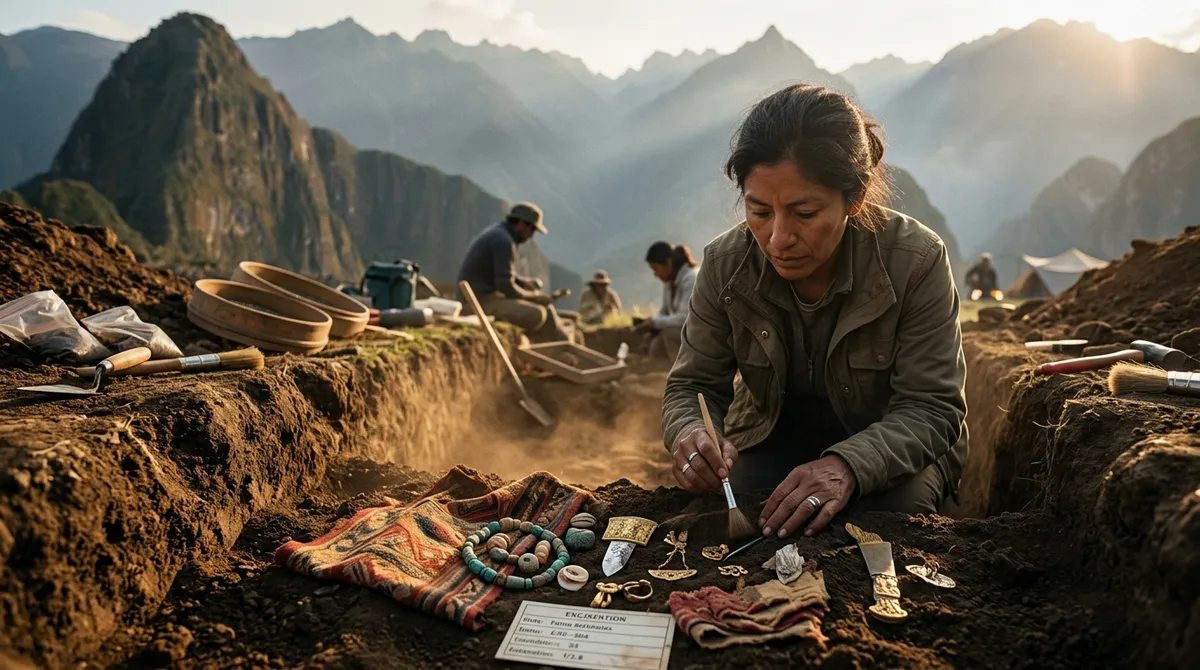
Ancient Discovery Captures Global Attention
A significant archaeological discovery has emerged from Peru, where researchers have reportedly uncovered the remains of an elite woman dating back approximately 5000 years. This finding has generated considerable interest in the archaeological community and beyond.
What We Know About the Discovery
According to reports, the remains belong to a woman who appears to have held an elevated status in her ancient society. The 5000-year timeframe places this discovery in a fascinating period of human history, offering potential insights into early civilizations in the region.
The identification of the individual as "elite" suggests that researchers have found evidence indicating this woman held special significance or status within her community, though specific details about what markers led to this classification have not been detailed in available reports.
Peru's Rich Archaeological Heritage
Peru continues to be a treasure trove for archaeological discoveries, with its diverse landscape and long history of human habitation providing countless opportunities for significant finds. The country is already renowned for sites like Machu Picchu and numerous other ancient civilizations that called the region home.
This latest discovery adds to Peru's already impressive catalog of archaeological finds, potentially offering new perspectives on how ancient societies were structured and how elite individuals lived thousands of years ago.
The Significance of Ancient Elite Burials
When archaeologists discover remains identified as belonging to elite individuals, these findings often provide unique windows into past civilizations. Elite burials typically contain artifacts, jewelry, or other grave goods that can reveal information about social hierarchies, religious beliefs, and cultural practices of ancient peoples.
While specific details about any accompanying artifacts or burial goods have not been reported, such discoveries often help researchers piece together how ancient societies honored their most important members and what they believed about life after death.
Dating Back 5000 Years
The age of these remains places them in a particularly interesting period of human development. Five thousand years ago, many regions around the world were experiencing significant cultural and technological developments, making any well-preserved remains from this era potentially valuable for understanding human progress.
This timeframe corresponds with various important developments in human civilization, and finds from this period can help archaeologists better understand how societies evolved and organized themselves.
What This Could Mean for Our Understanding
Discoveries like this one have the potential to reshape our understanding of ancient Peruvian civilizations and the roles that women may have played in early societies. When elite women are discovered in archaeological contexts, it often suggests that some ancient societies may have had more complex social structures than previously understood.
The fact that this individual has been identified as elite indicates that women could achieve significant status in this ancient Peruvian culture, which adds an important dimension to our understanding of gender roles in prehistoric societies.
Looking Forward
While initial reports about this discovery are generating excitement, the full significance of this find will likely become clearer as researchers continue their analysis. Archaeological discoveries of this magnitude typically require extensive study and analysis before their complete historical importance can be understood.
As more information becomes available about this remarkable find, it may provide valuable insights into an ancient civilization and help fill in gaps in our understanding of Peru's rich prehistoric heritage. The discovery serves as another reminder of the incredible archaeological wealth that Peru continues to offer to researchers and history enthusiasts worldwide.
This finding represents yet another chapter in the ongoing story of human civilization, offering a glimpse into the life of an individual who lived and died thousands of years ago but whose remains continue to tell stories today.